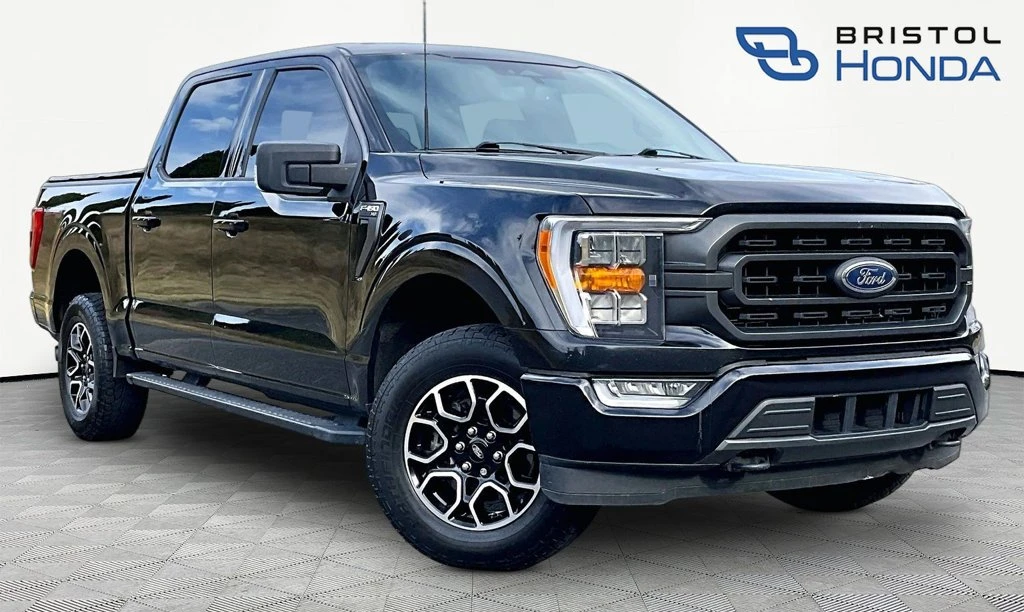
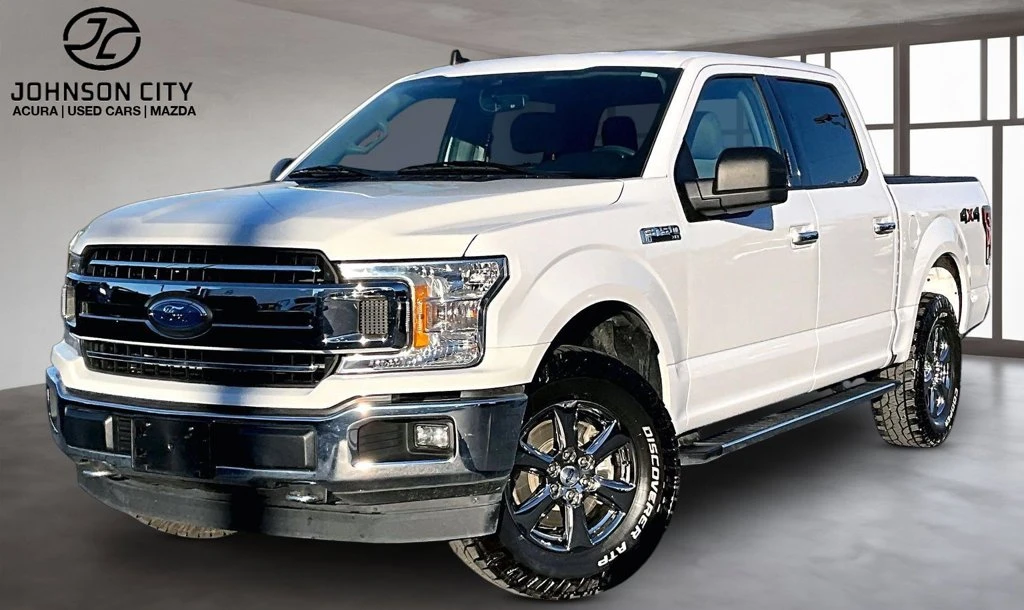
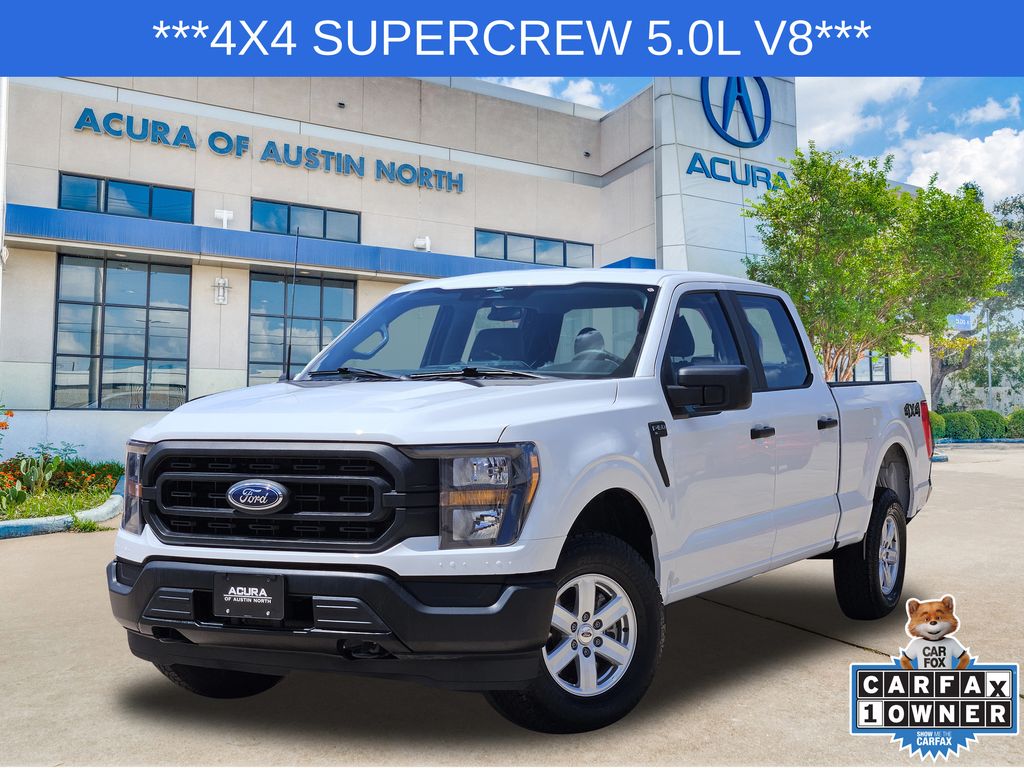
Compare the changes that matter: trims, engines, passenger space, towing, payload and the cost of everyday driving.
A new grille is easy to notice. An extra ten inches of rear legroom, the right trailer package, or a feature you use on every highway trip matters much longer. That is how we would shop the 2026 and 2027 Ford F-150: start with what the truck needs to do, then decide whether the newer model earns its price.
Our starting point for a family truck is an XLT SuperCrew. Compare Lariat when its comfort equipment suits long days behind the wheel. Choose the 3.5L EcoBoost when heavier towing leads the shopping list, or consider PowerBoost when its hybrid efficiency and available onboard electricity fit your use.
The strongest reasons to choose 2027 are the new base engine, available BlueCruise with towing, and the return of the 5.0L V8 option on King Ranch and Platinum. A well-equipped 2026 can still be the better purchase when its actual deal is stronger and those changes do not solve a problem for you.
What actually changes for 2027?
The 2027 changes matter most when they improve something you will use. Compare the equipment on the actual trucks, especially when a lower entry price comes with fewer comfort features.
| Area | 2026 | 2027 | Why it matters |
|---|---|---|---|
| Base engine | 2.7L EcoBoost V6 | 3.0L EcoBoost V6 replaces it | Both are rated at 325 hp and 400 lb-ft; test the response in everyday driving |
| Highway towing assist | Available BlueCruise without towing mode | BlueCruise with towing on equipped trucks | Useful to investigate for frequent highway trailer trips |
| King Ranch / Platinum engines | 3.5L EcoBoost or PowerBoost | 5.0L V8 returns as an available engine | Premium cabin equipment with a V8 option |
| Exterior | 2026 grille and wheel designs | Revised grilles and wheels on XLT, Lariat, King Ranch and Platinum | Choose the appearance you prefer |
| Off-road entry models | 2026 Tremor and Raptor equipment groups | New entry Tremor and Raptor configurations | Compare the convenience features as well as the entry price |
| Carhartt | No F-150 Carhartt package | Package for XLT 4x4 SuperCrew; Ford specifies early-2027 availability | Distinctive interior and exterior styling; verify the towing equipment separately |
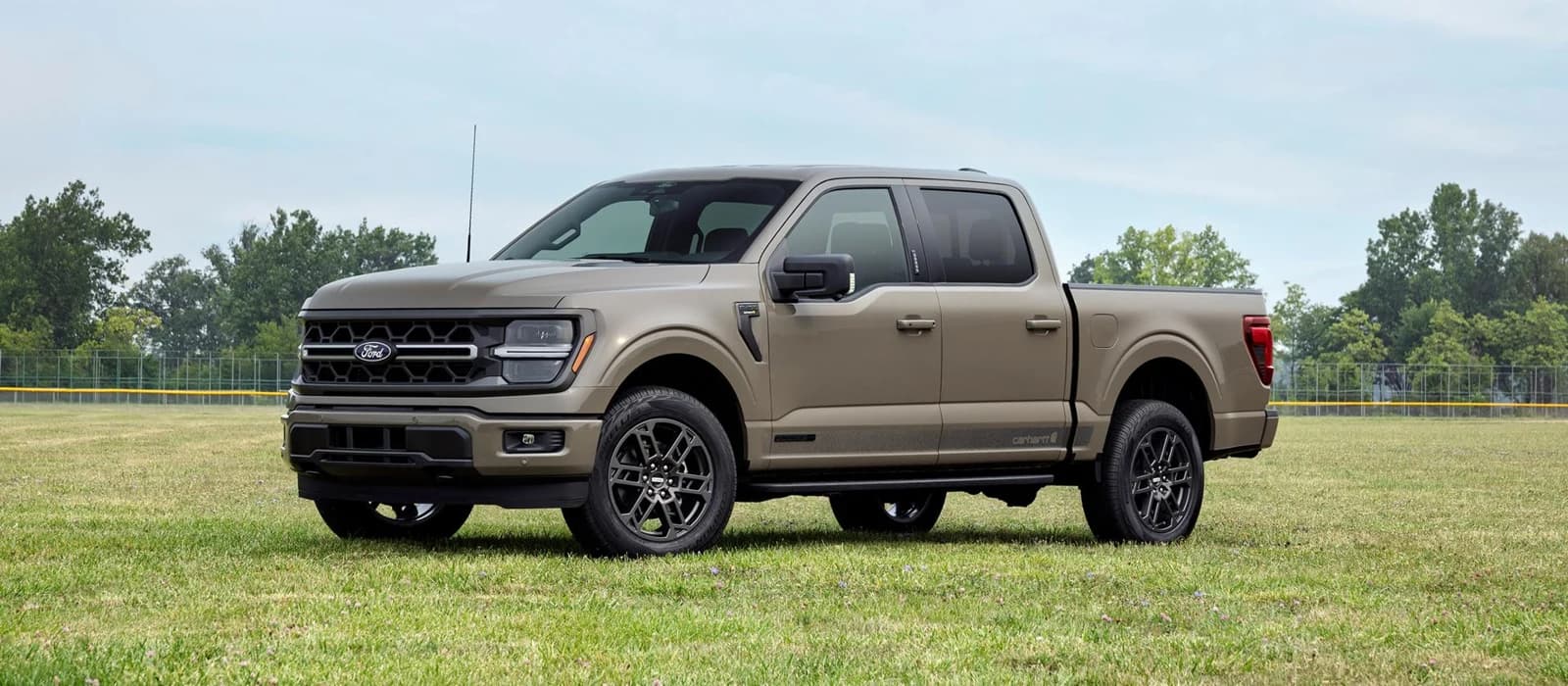
XLT Carhartt EditionFord specifies early-2027 availability for the Carhartt package.
King RanchCompare its premium cabin equipment and available V8 with your needs.
XL, STX, XLT or Lariat: where should you spend?
XLT is where we would begin a balanced family-and-work search. It leaves room to select the equipment that makes your truck easier to live with. Lariat makes a stronger case for buyers who spend long days in the seat. King Ranch and Platinum add premium cabin finishes and comfort equipment; compare those benefits with how you will use the truck.
Use the following as shopping priorities. The window sticker and equipment group identify what comes with an individual truck. Compare those details alongside the trim name.
| Trim | Equipment to compare | 2027 change to consider | Our take |
|---|---|---|---|
| XL | Cab and bed choice, work equipment and towing packages | New 3.0L base engine | A sensible starting point for a work truck |
| STX | Sport appearance, seating layout and selected convenience equipment | Exact engine and package combination | Compare it when appearance matters and you do not need every XLT option |
| XLT | Heated seats, cameras, trailer assists, PowerBoost and BlueCruise where equipped | New grille and wheels; Carhartt package announced for early 2027; available BlueCruise with towing | Our first stop for a versatile family truck |
| Lariat | Seat heating and ventilation, heated steering wheel, cameras and bed-access equipment | New grille and wheels; available BlueCruise with towing | Worth considering for frequent drivers who will use the comfort equipment |
| Tremor | Off-road suspension, tires, traction equipment and the selected equipment group | The new entry configuration has manual climate control, six-speaker audio and fixed rear glass; heated front seats are not included | Buy it for the off-road equipment, then choose the comforts you need |
| King Ranch | Leather and wood cabin theme, comfort and bed-utility equipment | Available 5.0L V8 returns; refreshed exterior | Compare its included cabin equipment with the options you would add elsewhere |
| Platinum | Premium seating, rear-seat comfort and available technology packages | Available 5.0L V8 returns; refreshed exterior | A luxury choice; check the payload label for your passengers and cargo |
| Raptor / Raptor R | Specialized suspension, tires, high-output engine and equipment group | The new entry Raptor omits conveniences such as the head-up display and power passenger seat | Choose for off-road performance; compare the convenience trade-offs carefully |
Which F-150 engine makes the most sense?
For a daily truck carrying people and occasional loads, the smaller EcoBoost deserves a test drive before you pay for a bigger engine. The 2027 3.0L replaces the 2026 2.7L and retains the same 325-hp and 400-lb-ft peak ratings. Compare response, noise and the equipment fitted to the actual truck.
The 3.5L EcoBoost is our starting point for a buyer shopping near the upper end of F-150 towing capability. The V8 is a good fit if you prefer its delivery and sound. PowerBoost is especially interesting when you can use its hybrid efficiency and available 7.2-kW Pro Power Onboard. It is a full hybrid that does not require plugging in.
| Role | 2026 engine | 2027 engine | 2027 torque |
|---|---|---|---|
| Everyday base choice | 2.7L EcoBoost V6 | 3.0L EcoBoost V6 | 400 lb-ft |
| V8 choice | 5.0L V8 | 5.0L V8 | 410 lb-ft |
| Heavier-towing starting point | 3.5L EcoBoost V6 | 3.5L EcoBoost V6 | 500 lb-ft |
| Hybrid / onboard-power choice | 3.5L PowerBoost hybrid | 3.5L PowerBoost hybrid | 570 lb-ft |
| Raptor | High-output 3.5L EcoBoost | High-output 3.5L EcoBoost | 510 lb-ft |
| Raptor R | Supercharged 5.2L V8 | Supercharged 5.2L V8 | 640 lb-ft |
Rear legroom: SuperCrew is the upgrade your passengers feel
For regularly carrying adults or growing kids, we would choose SuperCrew before moving up the trim ladder. Its 43.6 inches of rear legroom is 10.1 inches more than SuperCab. That is a passenger-space improvement your family can use on every trip.
The 2026 and 2027 SuperCrew dimensions match on the measures below. A Lariat has the same legroom as an XLT with the same cab. Set the front seats for the adults who will drive, then check the space behind them.
| Legroom measure | 2026 SuperCrew | 2027 SuperCrew | 2027 SuperCab |
|---|---|---|---|
| Front legroom | 43.9 in | 43.9 in | 43.9 in |
| Rear legroom | 43.6 in | 43.6 in | 33.5 in |
| Rear-space advantage over SuperCab | — | 10.1 in | Baseline |
Passenger space: five seats or six?
Choose the seating layout as deliberately as the engine. SuperCab and SuperCrew seat six with a front bench, or five with front bucket seats and a center console. For many families, five seats plus a useful console is the better everyday arrangement.
Bring the child seats you will use and check installation and front-passenger room in the actual truck. Shoulder-room measurements cannot promise that three particular child seats fit side by side. Also try the step-in height, rear doors and folded-seat cargo area.
| 2027 cab layout | Seating | Rear headroom | Rear shoulder room |
|---|---|---|---|
| Regular Cab | 3 | No rear row | No rear row |
| SuperCab | 5 or 6 | 40.3 in | 66.1 in |
| SuperCrew | 5 or 6 | 40.4 in | 66.0 in |
| Raptor SuperCrew | 5 | 40.4 in | 65.8 in |
Towing capacity: compare the configuration behind the trim
Both model years can tow up to 13,500 pounds with the right 3.5L EcoBoost setup. The cab, bed, drive system, axle ratio, packages and loaded truck determine the rating of the F-150 you are buying.
These 2026 examples show how equipment changes the result even with the same engine. The shopper column helps narrow the trim search; the towing number belongs to the listed configuration. Confirm the exact truck’s required equipment, payload and hitch limits before selecting a trailer.
| Trim shoppers | 2026 configuration | Axle / GCWR | Towing up to |
|---|---|---|---|
| XL / XLT | 2.7L; SuperCrew 4x4; 5.5-ft bed | 3.55 / 13,000 lb | 7,500 lb |
| XLT | 5.0L; SuperCrew 4x4; 5.5-ft bed | 3.31 / 14,800 lb | 9,200 lb |
| XLT / Lariat | 5.0L; SuperCrew 4x4; 5.5-ft bed; tow upgrades | 3.73 / 18,400 lb | 12,800 lb |
| XLT / Lariat / King Ranch / Platinum | 3.5L; SuperCrew 4x4; 5.5-ft bed | 3.55 / 16,800 lb | 10,500 lb |
| Same 3.5L shoppers | SuperCrew 4x4; 6.5-ft bed; tow upgrades | 3.55 / 19,400 lb | 13,500 lb |
| PowerBoost shoppers | Hybrid; SuperCrew 4x4; 5.5-ft bed; tow upgrades | 3.73 / 18,400 lb | 11,600 lb |
| Tremor | 3.5L; SuperCrew 4x4; 5.5-ft bed | 3.73 / 17,100 lb | 10,600 lb |
2026 vs 2027 towing: the headline numbers
The top conventional towing figure remains 13,500 pounds. PowerBoost’s maximum changes from 12,400 pounds for 2026 to 12,100 pounds for 2027, while the 4x4 hybrid maximum stays at 11,600 pounds. The more meaningful 2027 towing upgrade for many shoppers is available BlueCruise with towing.
| Engine / configuration | 2026 towing up to | 2027 towing up to | What to check |
|---|---|---|---|
| Base EcoBoost: 2.7L → 3.0L | 8,400 lb | 8,400 lb | 2027 maximum is 4x2; 4x4 reaches 8,200 lb |
| 5.0L V8 | 12,800 lb | 12,800 lb | Cab, axle ratio and required towing equipment |
| 3.5L EcoBoost | 13,500 lb | 13,500 lb | Highest-rated configuration: SuperCrew 4x4 with 6.5-ft bed and required towing equipment |
| PowerBoost hybrid, maximum | 12,400 lb | 12,100 lb | These hybrid maxima apply to 4x2 configurations |
| PowerBoost hybrid, 4x4 | 11,600 lb | 11,600 lb | Match the exact cab, axle and towing package |
| Raptor / Raptor R | 8,200 / 8,700 lb | 8,200 / 8,700 lb | Confirm the performance model and tire configuration |
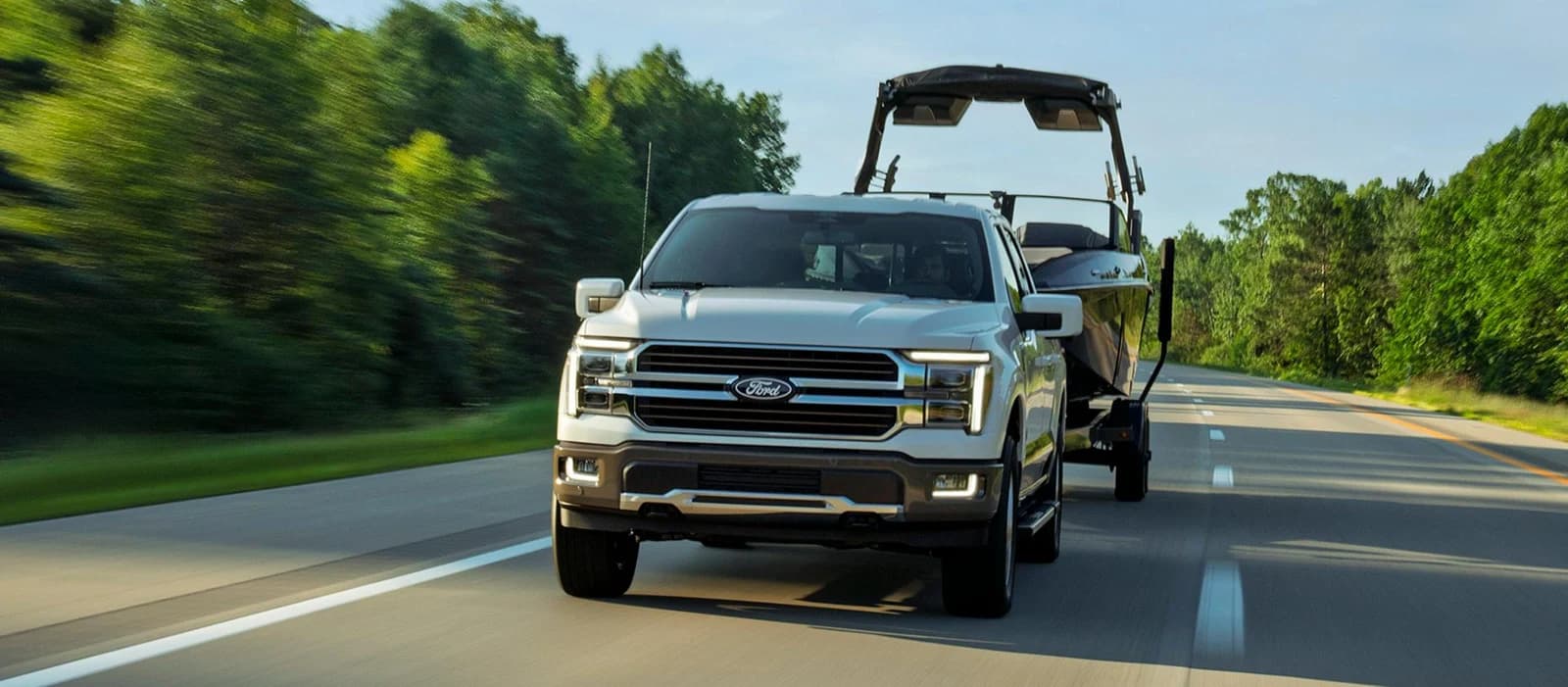
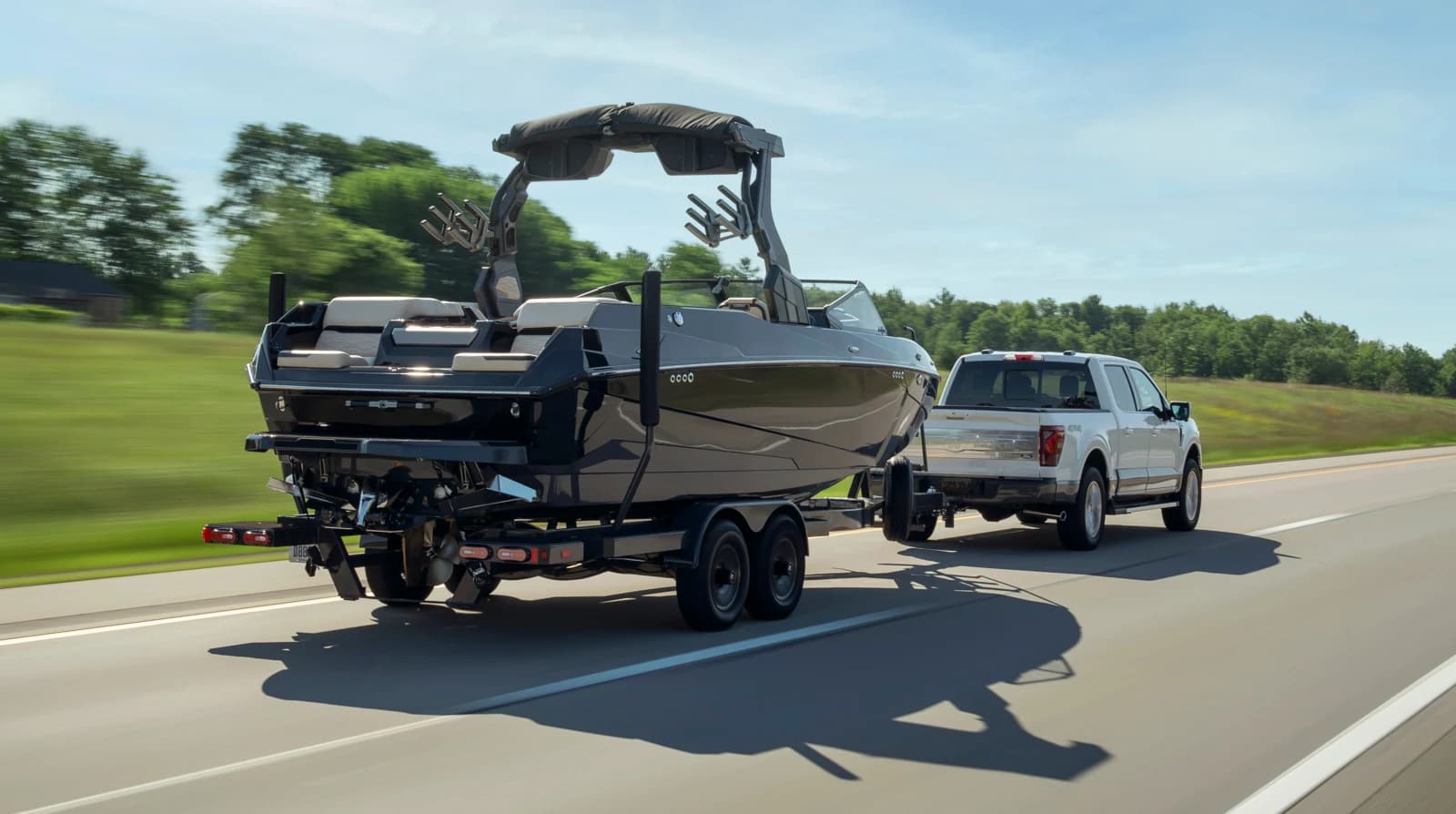
Trailer and truck fitPayload, axle and hitch limits matter alongside the tow rating.
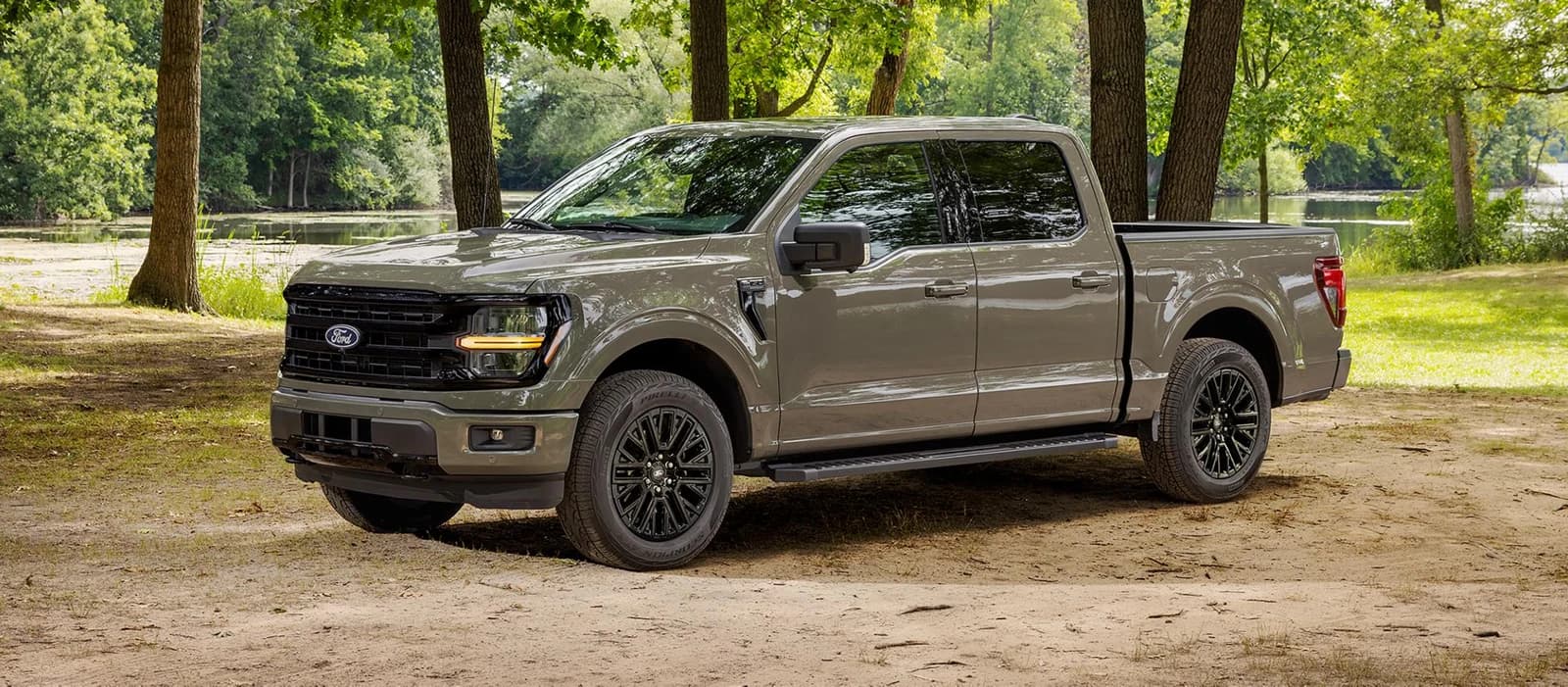
XLT starting pointChoose the cab and equipment you will use before moving up the trim ladder.
Payload: the number to check before you bring the family
Payload is what the truck can carry: people, cargo, added equipment and the trailer’s downward load on the hitch. A family, a bed full of gear and a travel trailer can use it quickly, even when the engine has plenty of power.
Ford’s highest F-150 payload changes from 2,440 pounds for 2026 to 2,430 pounds for 2027. The engine-family figures below help narrow a 2027 search. The door-jamb label gives the allowance for the truck you are buying, including the effect of its installed equipment. Check that label before choosing a trailer or loading the bed.
| 2027 engine | Payload up to | Towing up to | Buying consideration |
|---|---|---|---|
| 3.0L EcoBoost | 1,755 lb | 8,400 lb | Everyday people and cargo; verify enough payload for your trailer tongue load |
| 5.0L V8 | 2,225 lb | 12,800 lb | Compare the actual label when selecting a premium trim or extra equipment |
| 3.5L EcoBoost | 2,430 lb | 13,500 lb | A strong starting point for heavier loads with the matching configuration |
| 3.5L PowerBoost hybrid | 2,040 lb | 12,100 lb | Balance hybrid and onboard-power benefits with your loaded-truck needs |
| High-output 3.5L EcoBoost / Raptor | 1,395 lb (37-inch tires) | 8,200 lb | Off-road equipment and tire selection affect the capacity available for people and gear |
| Supercharged 5.2L V8 / Raptor R | 1,405 lb | 8,700 lb | Check remaining payload with passengers, cargo and trailer tongue weight aboard |