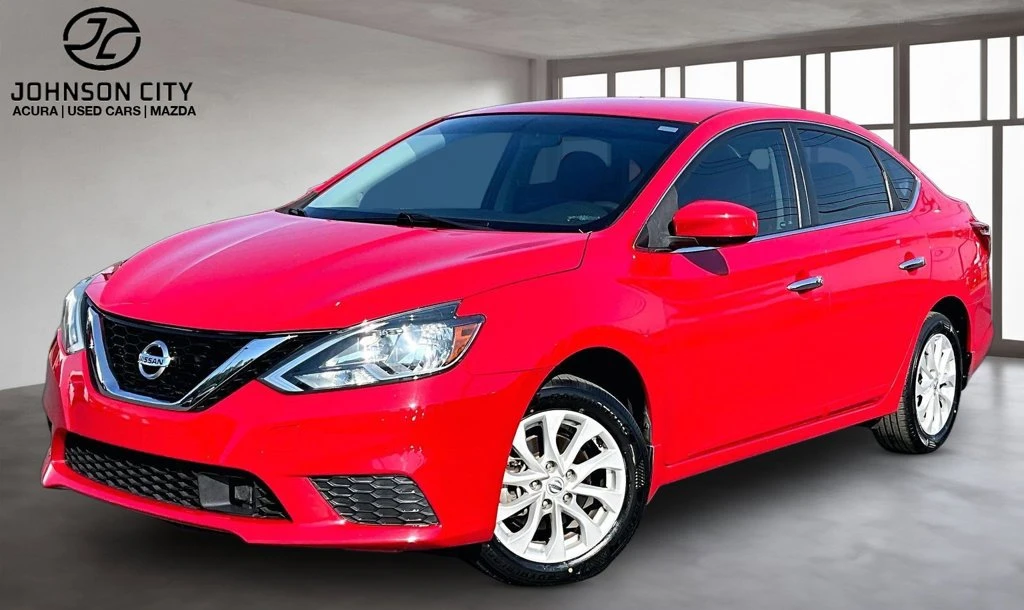
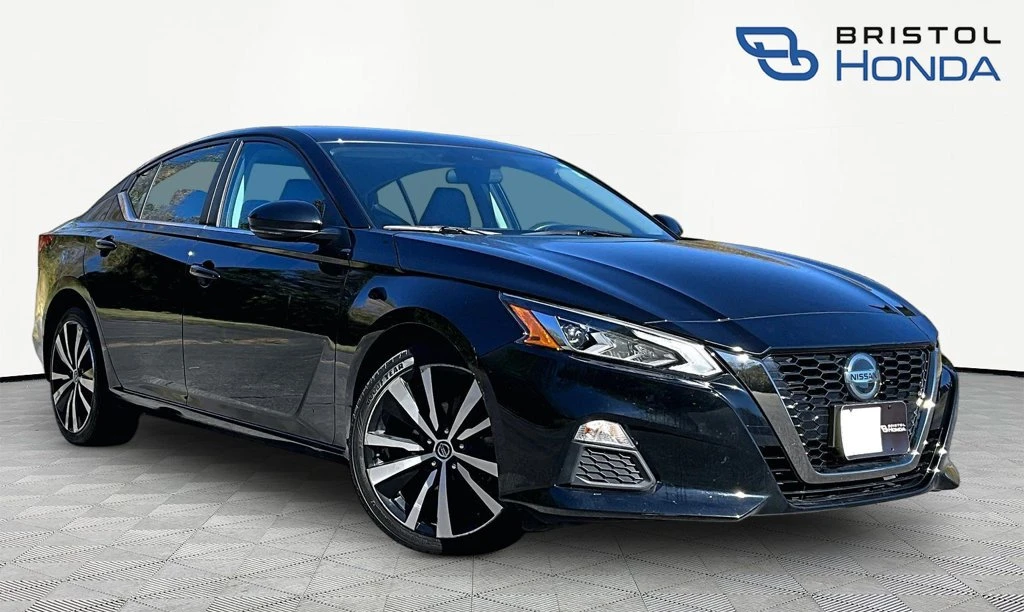
The Nissan Rogue offers several ways to spend more, but your everyday needs may be simpler: a comfortable seat, room for your gear, and useful equipment. Before choosing the most expensive trim, work out which upgrades would actually change a normal week of driving.
Set the front seat for the person who drives. Then try the rear seat and load the stroller, crate, or luggage you normally carry. A maximum cargo figure assumes a particular seating arrangement. Your useful space is whatever remains with the people you need to carry still seated comfortably.
SV is a useful starting point for comparing Rogue equipment and price. SL and Platinum add technology or cabin features you may value. Rock Creek brings its own tire and trail-oriented equipment. Drive the version you want on ordinary pavement as well, because appearance alone does not tell you how it rides or sounds.
Choose front-wheel drive or all-wheel drive around your roads and weather. Then compare tire condition, maintenance history, and the behavior of the engine and transmission on a normal drive. Ask the dealer to demonstrate the fitted cameras and driver assistance features. Equipment that matters to you should work clearly and consistently.
Finish with a complete quote and an insurance estimate for the exact Rogue. Compare tire costs and remaining warranty coverage, too. A higher trim can be worthwhile when you use its benefits. If it mostly adds things you would not miss, a well-chosen lower trim can leave more room in the ownership budget.
Start a used Nissan Rogue inspection with the space you will actually use: sit in the back seat, load your usual cargo and check the driving position. Then work through the service records, tires and warning lights. A comfortable test drive is only part of deciding whether a particular Rogue is worth buying.
Every 2025 Rogue uses a 201-hp 1.5-liter variable-compression turbo three-cylinder and an Xtronic continuously variable transmission. Front-wheel drive is available on most mainstream trims; Intelligent AWD is optional, while Rock Creek is built around AWD. The differences shoppers feel most are equipment, wheel/tire choice, seating material and prior care.
Rogue configurations worth comparing
How the selected 2025 Rogue setups differ
Configuration
Why consider it
What it gives you
Tradeoff
SV FWD
The value sweet spot for commuting
More convenience than S, strong cargo usefulness and no AWD cost
Not the choice for a route that regularly needs four driven wheels
SV AWD
All-season family use without luxury pricing
Useful equipment plus AWD and a manageable wheel/tire package
A little more weight, fuel use and maintenance than FWD
Rock Creek AWD
Rugged appearance and light-trail intent
All-terrain tires, roof-rack-oriented styling, hill-descent control and surround-view trail camera features
More tire noise and cost; it remains a compact crossover, not a low-range off-roader
SL AWD
Technology and comfort without Platinum's full premium
Larger displays, driver aids and upgraded interior equipment
More electronics and larger wheels to inspect
Platinum AWD
Top cabin and feature content
Premium upholstery, available high-end audio/technology and the richest presentation
Highest used price; equipment does not increase engine or tow capacity
Useful Rogue numbers
2025 Rogue capability at a glance
Specification
Figure
Buyer meaning
Engine output
201 hp / 225 lb-ft
Strong low-speed response for the class, but drive the three-cylinder/CVT combination to judge refinement for yourself
Maximum cargo space
Up to 74.1 cu ft
One of the Rogue's real strengths; floor and divider configuration can vary by trim
Maximum towing
Up to 1,500 lb when properly equipped
Small utility or recreation trailer territory, with payload and tongue weight still counted
Drivetrain
FWD or Intelligent AWD; Rock Creek AWD
Choose around weather and roads rather than resale folklore
S, SV, Rock Creek, SL or Platinum?
The S can work as straightforward transportation, but used pricing often makes the better-equipped SV worth finding. SV is where many buyers should start: it supplies the daily conveniences people miss without surrounding them with costly appearance equipment. SL is the sensible upgrade when its displays, cameras and driver aids will be used.
Rock Creek is not simply an SV with different trim. Its wheel-and-tire choice and trail-oriented equipment change how it rides and sounds. Drive it on the highway as well as rough pavement. Platinum is a comfort decision; compare it with an SL feature by feature because a previous owner may not have purchased every package.
Still deciding which vehicle fits?
Start with your budget, space and everyday needs. Help me decide walks you through the choices so you can narrow down vehicles that fit your life.
Rogues frequently serve households, company fleets and rental fleets. None of those histories automatically disqualifies a vehicle. They do change what to inspect. A rental may have regular centralized maintenance but many drivers. A family vehicle may show child-seat, cargo and short-trip use. A one-owner story is valuable only when records and condition support it.
Start the engine cold and note warning lamps, idle quality and any fuel or coolant smell.
Drive in stop-and-go traffic, at a steady highway speed and under firm acceleration; response should be repeatable without shudder or flare.
Test ProPILOT/driver-assistance functions only where safe, plus every camera, display, USB port and power seat.
Inspect underbody panels, wheels and tires closely on a Rock Creek that may have been used off pavement.
Verify oil-change records and ask the technician to scan all modules, not merely confirm that the check-engine light is off.
Cargo usefulness is more than a maximum-volume claim
The Rogue's maximum cargo number is strong, but the shape and loading routine matter more. Test the adjustable cargo floor where fitted. Fold the rear seats, load the stroller or dog crate you own and see whether the hatch clears your garage. If rear passengers are part of the plan, set the front seat first and then judge knee and foot room.
Rogue versus Equinox, RAV4 and CR-V
The Rogue's argument is space, usable torque and plentiful inventory. The redesigned Equinox has a fresh cabin and gives AWD buyers a conventional eight-speed automatic. The RAV4 offers gasoline and hybrid choices with strong resale demand. The CR-V is roomy and polished, also with hybrid availability. Compare a Rogue's transaction price and history against those alternatives rather than paying a premium just because the mileage is lower.
Who should buy which Rogue?
SV FWD is the commuter choice where snow and steep loose roads are uncommon. SV AWD is the broad household answer. Rock Creek suits someone who genuinely values its tires, look and light-trail equipment. SL and Platinum make sense when their technology and interior upgrades are worth both the purchase price and the cost of replacing large wheels, cameras or trim later.
With so many used Rogues available, patience is part of the inspection. Find one that behaves correctly from a cold start, has matching tires, complete records and no unresolved warning or recall—not merely the first one in the preferred color.
Explore the inventory
Explore Nissan vehicles
See Nissan vehicles related to the page and your current shopping criteria.