Used truck guides1 minutes 50 seconds
A practical buying guide to choosing the cab, engine, features and carrying capacity your family will use.
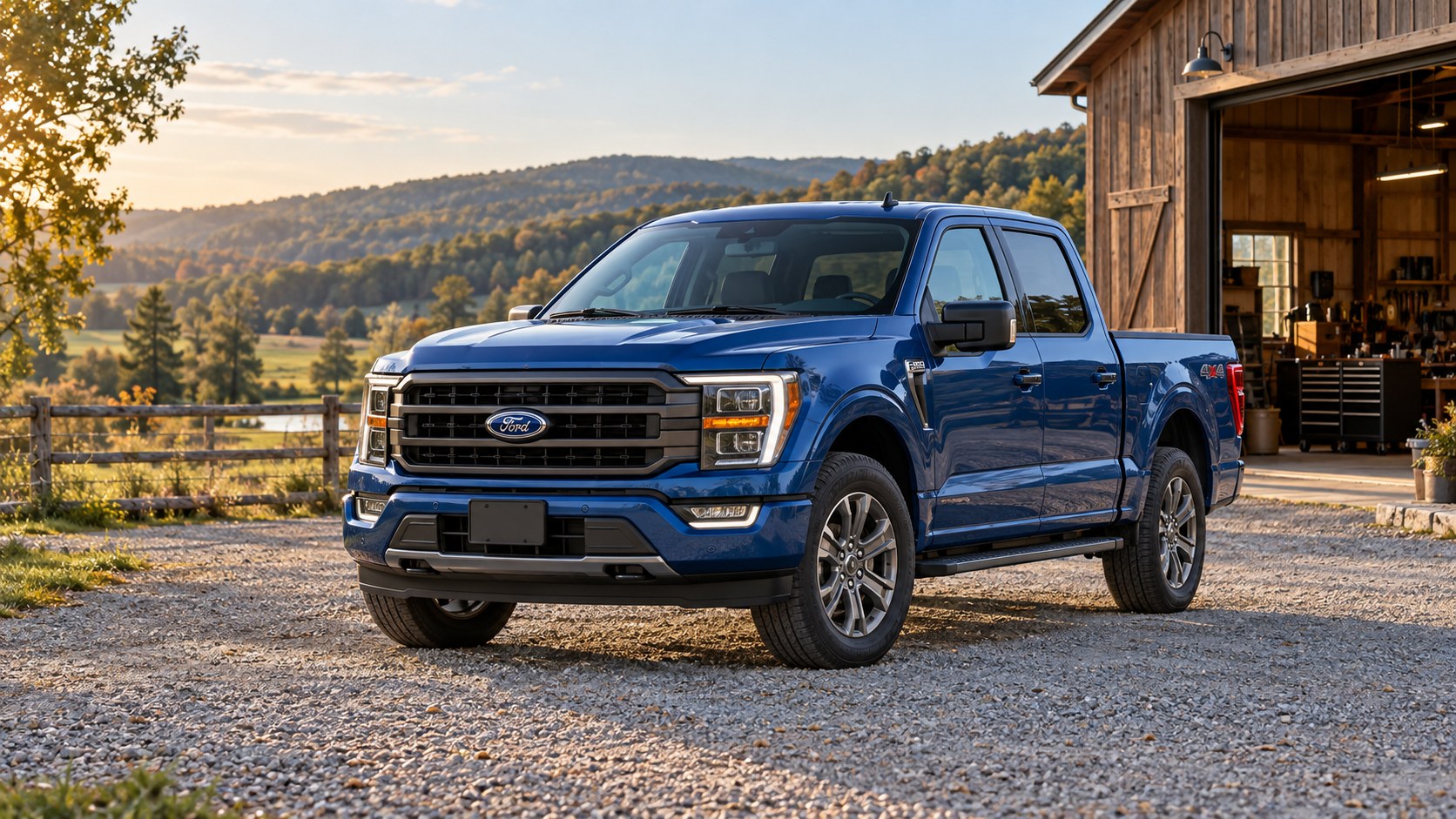
The most expensive 2026 Ford F-150 is not automatically the best truck for your family. Start with three questions. Who rides in it? What goes in the bed? And what are you actually going to tow? We would start a family search with an XLT SuperCrew. But the right engine, seat layout and payload label matter more than that recommendation. Here is how we would spend the money.
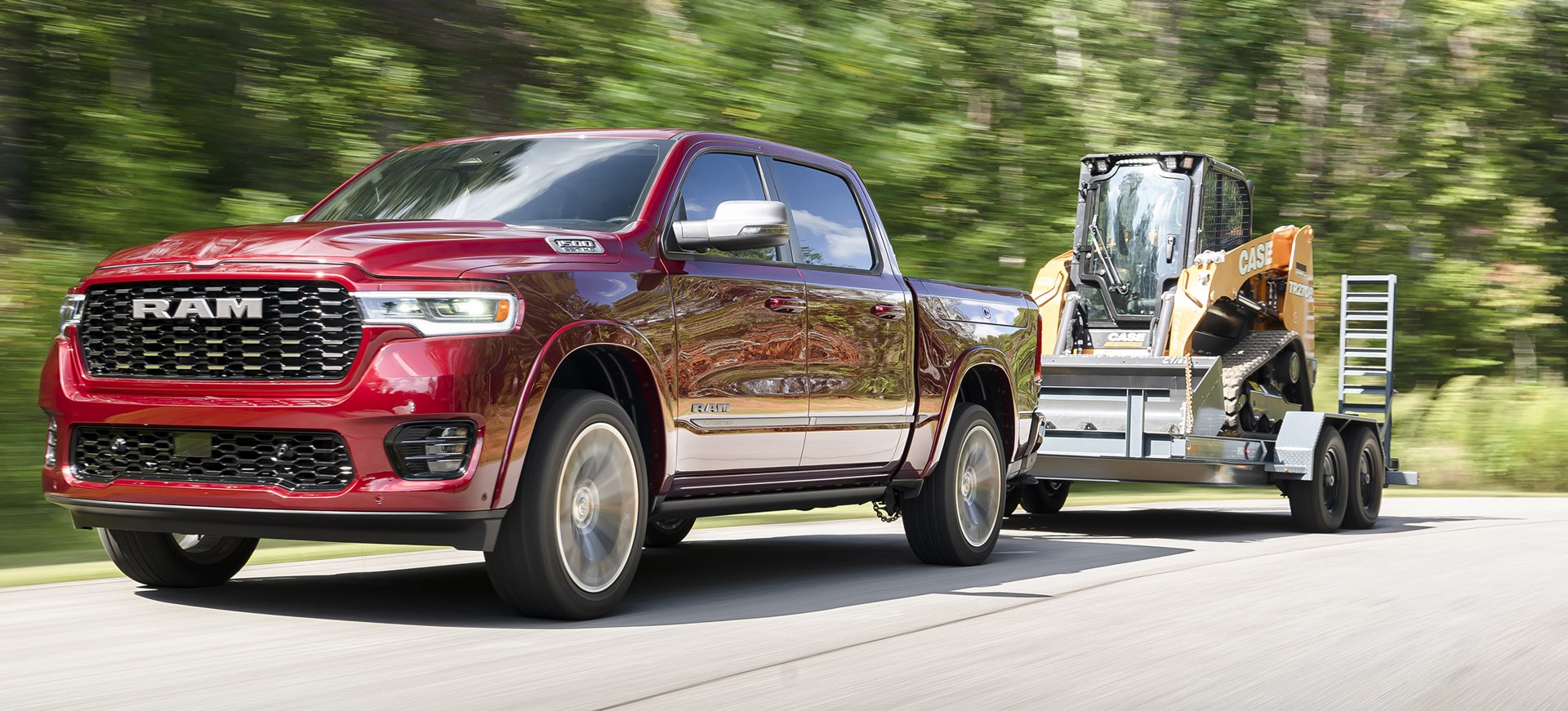
Start with payload. Imagine the door label says 1,650 pounds. Four people total 600. Gear adds 180, and added hitch equipment adds 120. That leaves 750 pounds for the trailer’s downward load. At an illustrative 12 percent tongue weight, that is the load from a 6,250-pound trailer. Suddenly the headline towing number is not your working limit. Use measured weights and every applicable rating; do not reduce tongue weight just to make the math work.
SuperCrew gives rear passengers 43.6 inches of legroom. SuperCab has 33.5. That extra 10.1 inches is why we would choose SuperCrew for regular adult passengers or a growing family. Front legroom is 43.9 inches across the cab styles. If the back seat is rarely used, SuperCab deserves a look. If people ride there every day, test the rear seats before getting distracted by wheels and paint.
A suitable front bench can make the truck a six-seater. Front buckets and a full console generally make it a five-seater. Lariat and the luxury trims are five-seat choices. For child seats, bring the ones you actually use. Set the front seats for the adults, then check installation and access. A wide cabin measurement cannot guarantee that three particular car seats fit correctly.
The 2.7-liter EcoBoost belongs on an everyday-truck shortlist. The 3.5-liter EcoBoost is our starting point for heavier towing. The 5.0-liter V8 is a perfectly reasonable preference if you want a V8. PowerBoost earns a closer look when city driving and onboard electricity matter together. It is a full hybrid, with no plug-in charging. If you want the available 7.2-kilowatt power system, verify that option on the actual truck.
Asking what an XLT can tow is only the beginning. In Ford’s table, a short-bed 2.7-liter configuration is rated at 7,500 pounds. A particular 5.0-liter setup is 9,200. The 13,500-pound headline needs the qualifying 3.5-liter, longer-bed configuration and required tow equipment. Another truck with the same badge can have a much lower limit. Confirm the engine, axle, combined-weight rating and packages.
XL is the straightforward work-truck starting point. STX brings a stronger appearance focus. XLT is our flexible middle ground, with useful comfort, camera and towing options. Lariat is the one we would compare for long commutes. Heated and ventilated seats can matter every week. King Ranch and Platinum are more about your preferred premium cabin. Tremor and Raptor make sense when you want their off-road equipment.
Before paying for Lariat, price an XLT with your must-haves. Heated seats, a camera system and trailer assists can change the comparison. A low advertised trim price tells you little about an optioned truck. Our view: spend on the comfort you touch every day. But do not pay for Lariat expecting a bigger back seat. With the same SuperCrew cab, the published rear legroom is identical.
The four-wheel-drive PowerBoost is rated at 23 miles per gallon combined. The 2.7-liter is 20, while the conventional 3.5-liter and V8 entries shown here are 19. The hybrid’s city advantage is bigger than its highway advantage. Against the conventional 3.5-liter, the city figures are 22 versus 17. The highway figures are 24 versus 23. Your driving pattern matters.
At 15,000 miles per year and gas priced at an illustrative $3.50 per gallon, moving from 19 to 23 miles per gallon saves about $481 per year. That helps, but it does not justify any hybrid premium. Compare the actual purchase-price difference with your fuel savings. Then decide what the onboard power is worth to you. Tremor and Raptor have their own fuel ratings, so do not budget them like an ordinary configuration.
A five-and-a-half-foot bed is our starting point for a family SuperCrew. A six-and-a-half-foot bed earns its length when your cargo needs it. For an eight-foot bed, look at a qualifying Regular Cab. Measure your garage and try your everyday parking spaces. Bed length is useful, but so is being able to keep the truck where you live.
For us, the versatile starting point is an XLT SuperCrew. Lariat deserves the step up when its comfort matters to your daily drive. For a heavier trailer, choose the verified configuration and payload, not a badge. Take your passengers, cargo list and trailer weights to the shopping process. The best F-150 is the one that fits those facts. Start with the cab, verify the load, and pay for the equipment you will use.
Explore the inventory
Explore available Ford F-150 trucks across model years and dealerships.