Affordable SUV guide2 minutes 36 seconds
Compare the vehicle itself, the complete offer and the protection that remains. Learn how to evaluate certification terms, warranty start dates, mileage limits and optional products before deciding what a higher price is worth.
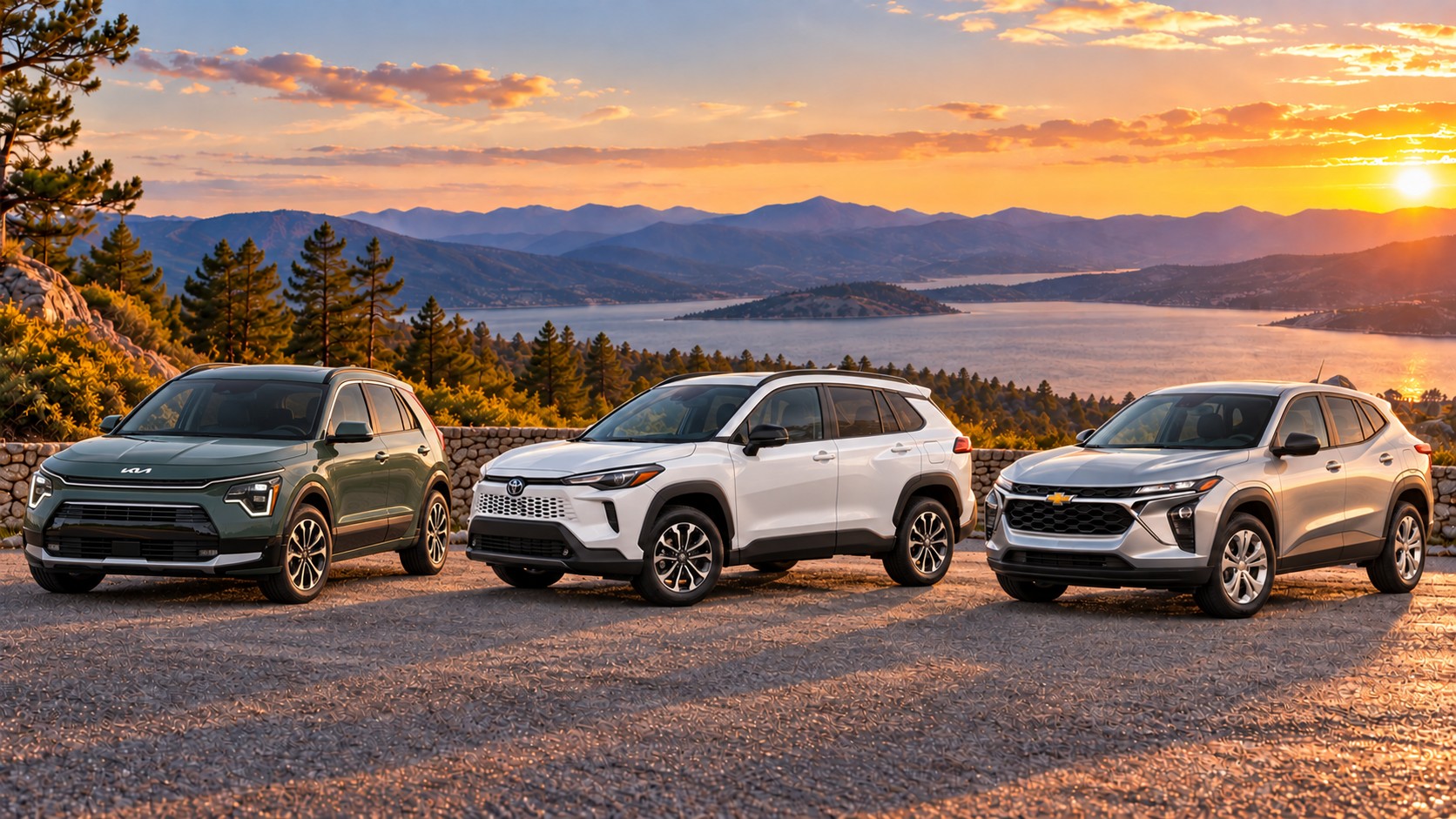
Imagine three cars parked side by side. One is new, one is used, and one is certified pre owned. Each could be the right purchase. Before picking a category, ask one question: what does the difference in price actually buy me? The answer lives in the vehicle and the written offer.
Compare age, mileage, equipment, service history, and completed maintenance. New tires have value whether the car is certified or not. So does documented servicing. Put those differences on their own lines, so you can see how much of the price reflects the actual vehicle and how much reflects additional protection.
A new car usually starts near the beginning of its service life with original new vehicle coverage. You may also find the exact configuration you want. Those advantages can be worth paying for. Compare the complete purchase price and borrowing costs, and confirm the warranty start date for that particular vehicle.
For a certified car, identify the program and who stands behind it. Read which repairs are covered, which are excluded, whether a deductible applies, and where covered work can be performed. Manufacturer and dealer certification programs can differ. Judge the written benefits of each program on their own terms.
A headline such as seven years can sound like seven years from today. It may instead be measured from the original service date. Mileage limits can also reduce what remains. Ask for the actual ending date and mileage limit in writing, and compare that remaining protection with how long you plan to keep the car.
A used car without certification can still be a strong choice when its condition, history, and price work in your favor. Confirm whether it has remaining warranty coverage or is sold as is. Then account for upcoming service and any protection you choose to purchase. Keep optional products separate in the price comparison.
There is no automatic winner among new, used, and certified. Choose the complete offer that gives you the vehicle, protection, and cost you can justify. When each extra dollar has a clear purpose, the label becomes useful information instead of the entire decision.