Used SUV reliability guide2 minutes 43 seconds
A strong crash-test result is useful only when it matches the vehicle. Learn what to check on a Subaru Forester, Mazda CX-5 or Ford Explorer before using a rating to decide.
You see a strong safety rating beside a used SUV. Before treating that as the answer, ask whether the rating applies to the exact version in front of you. Build dates, headlights, and installed equipment can change the match. Start with the evidence, then identify the vehicle.
A 2019 Subaru Forester, an eligible 2018 Mazda CX-5, and a 2020 Ford Explorer are useful starting candidates. Applicable years appear on the Insurance Institute for Highway Safety and Consumer Reports used vehicle list. That is a shortlist, not a claim that one is safest in every crash or that every example costs below $20,000.
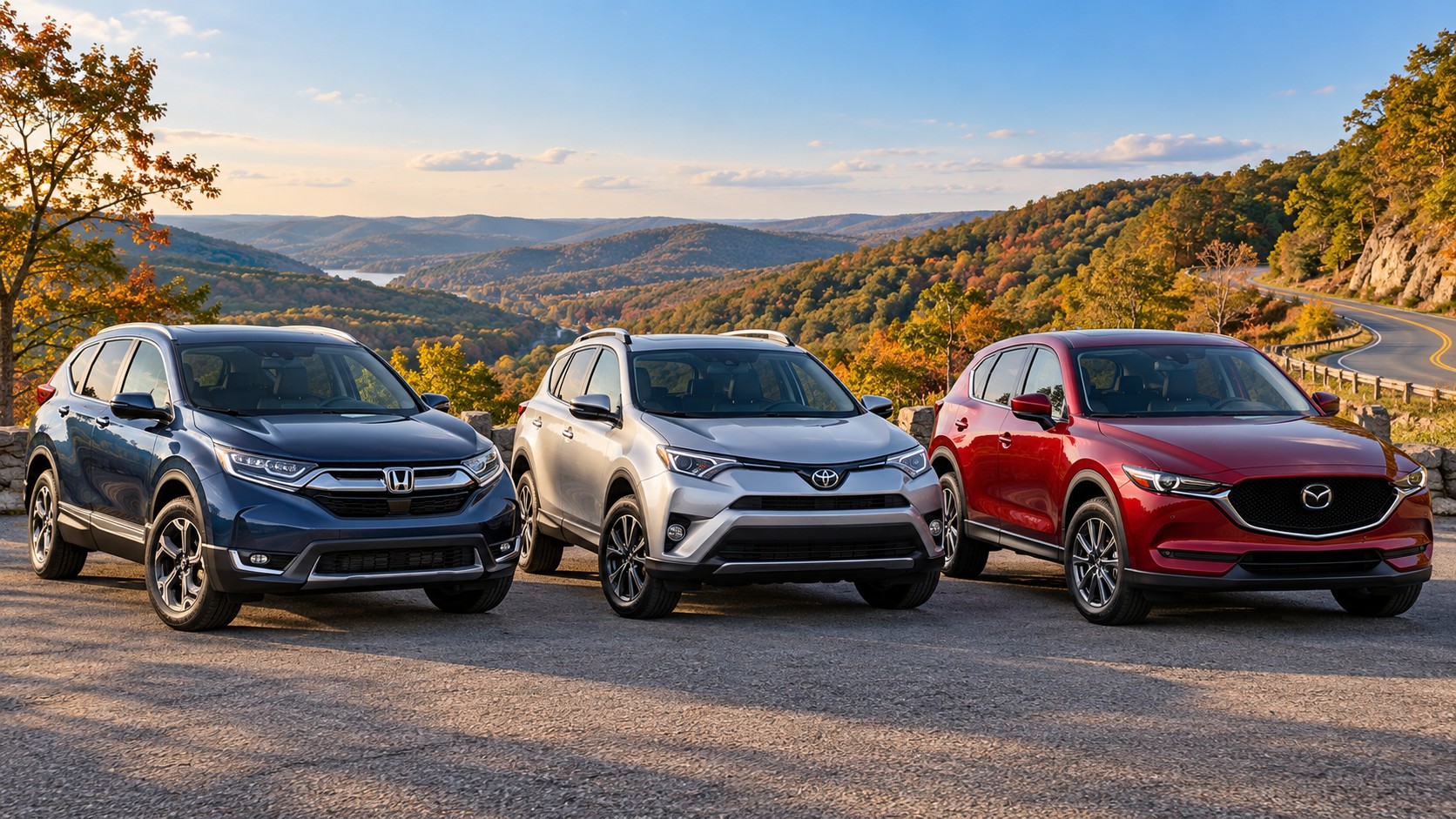
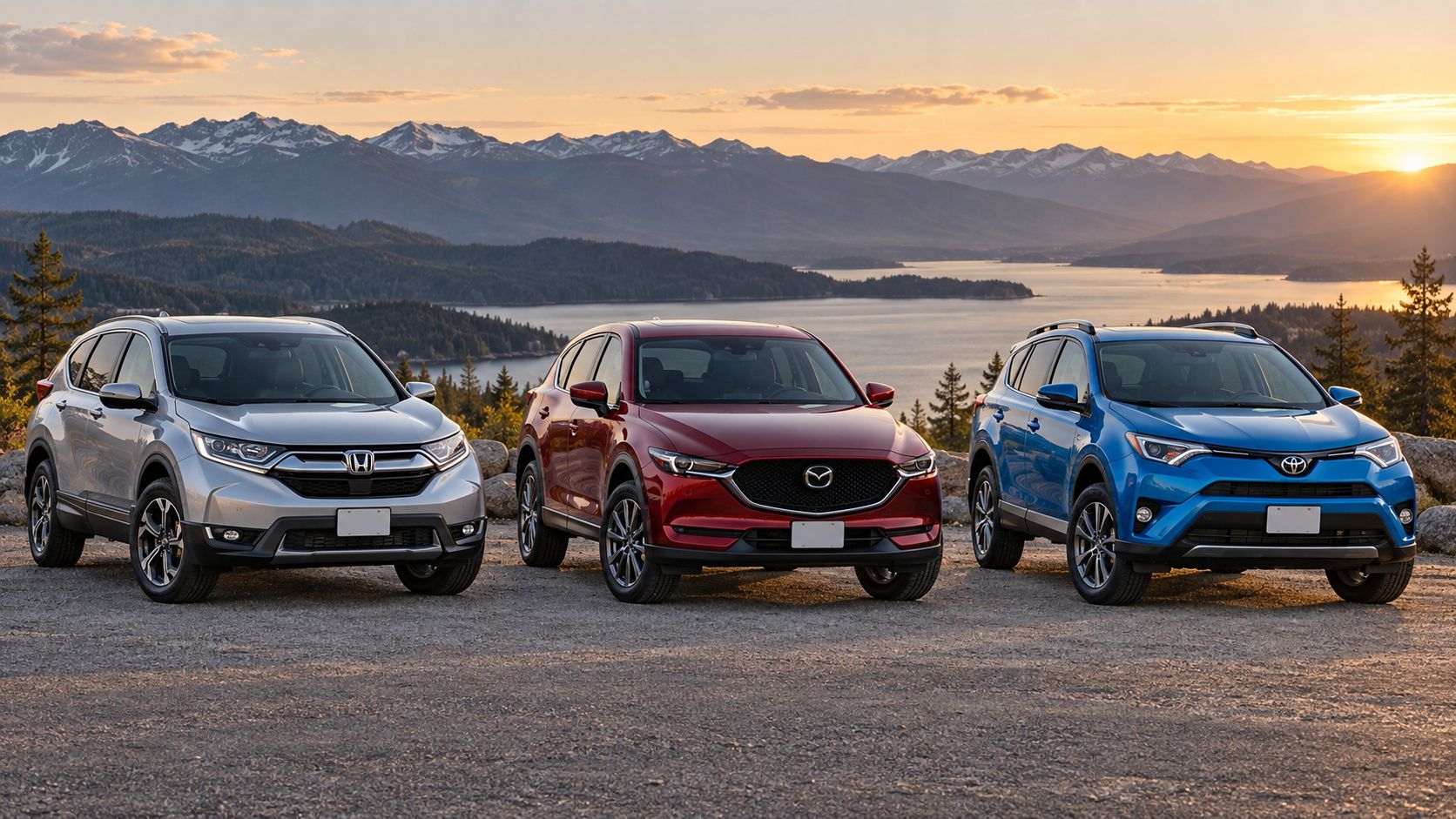
For the 2018 Mazda CX-5, the Insurance Institute for Highway Safety's Top Safety Pick Plus designation requires specific headlights and a vehicle built after March 2018. Check the production label and the actual equipment. A photograph of the front of the car does not establish that all those conditions are met.
Federal five star ratings and Insurance Institute for Highway Safety grades are different systems. Keep each result in its original form. Do not turn a Good grade into an invented number of stars. The federal records also distinguish early and later releases of the 2018 Mazda CX-5, so the correct record matters.
Federal overall and frontal crash scores are intended for comparisons within the same vehicle class and a weight difference no greater than 250 pounds. A larger vehicle and a smaller one with matching stars are not automatically equivalent. Use the score within its comparison limits, rather than creating a universal safety ranking.
Review repair history, tire condition, restraints, and operation of installed driver assistance features. If records show camera or radar work, ask about the related calibration documentation. Check the vehicle identification number for open recalls. Crash test evidence describes a tested configuration; it does not certify the present condition of a used car.
Use the Forester, eligible CX-5, and Explorer as starting points, then confirm which safety results apply to each actual listing. Check seating and child restraint compatibility for your household as well. The useful safety claim is specific: the right vehicle, the right equipment, and the right evidence.